


Le choix d'un matelas implique de comprendre les différentes technologies disponibles sur le marché, dont le matelas en mousse.
En association avec le matelas en latex et le matelas à ressorts, le matelas en mousse constitue l'un des principaux types de matelas. Si vous vous posez des questions sur le matelas en mousse, vous êtes au bon endroit : nous vous accompagnons afin que vous choisissiez le matelas idéal qui répondra à vos attentes.


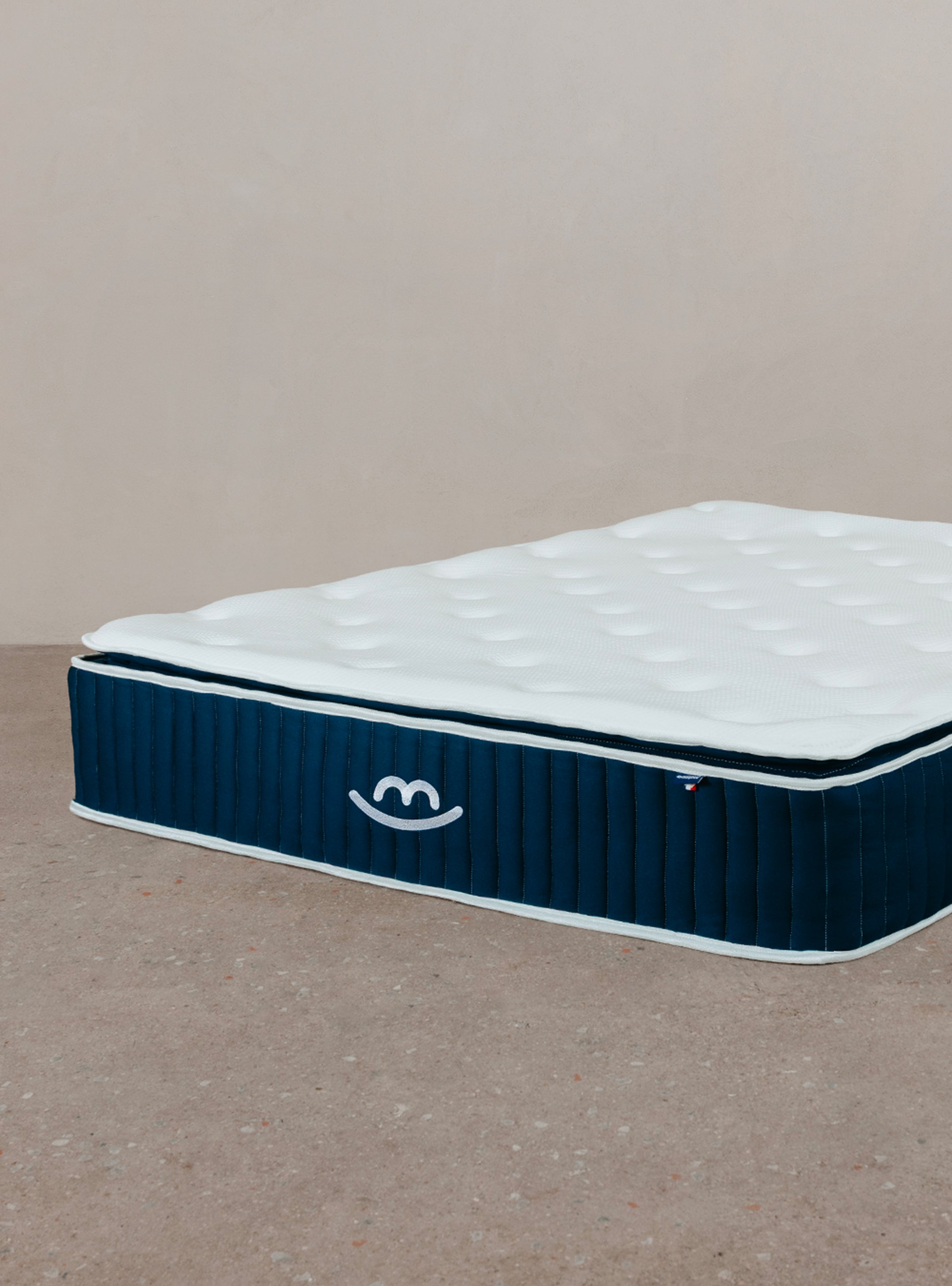
Premium comfort with built-in pillow top
12 inches thick
Soft top with integrated mattress topper
Ideal for couples (separate sleeping areas)

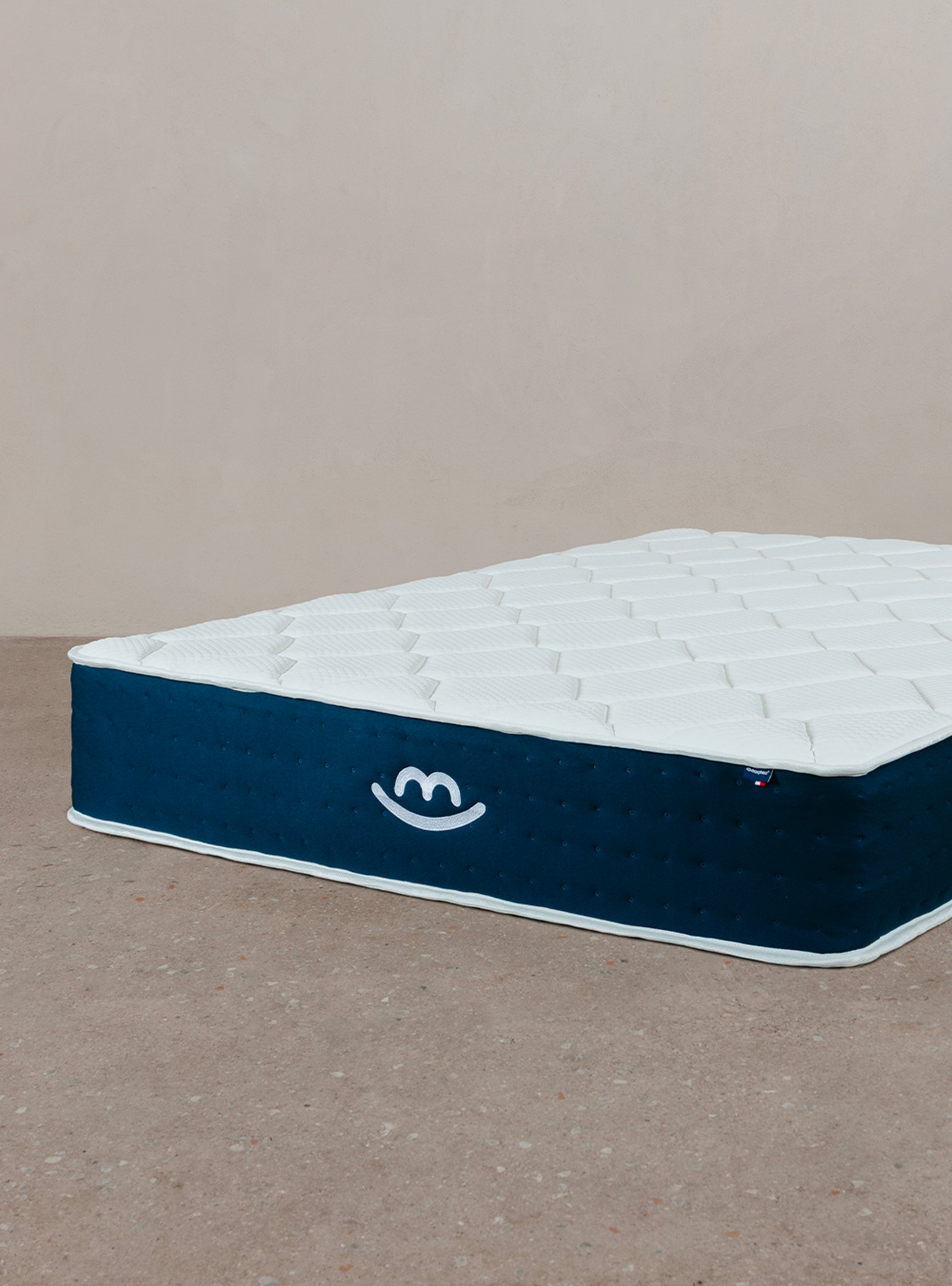
Firm and supportive
10.2 inches thick
Firm and toned
Ideal for ergonomic support in daily life

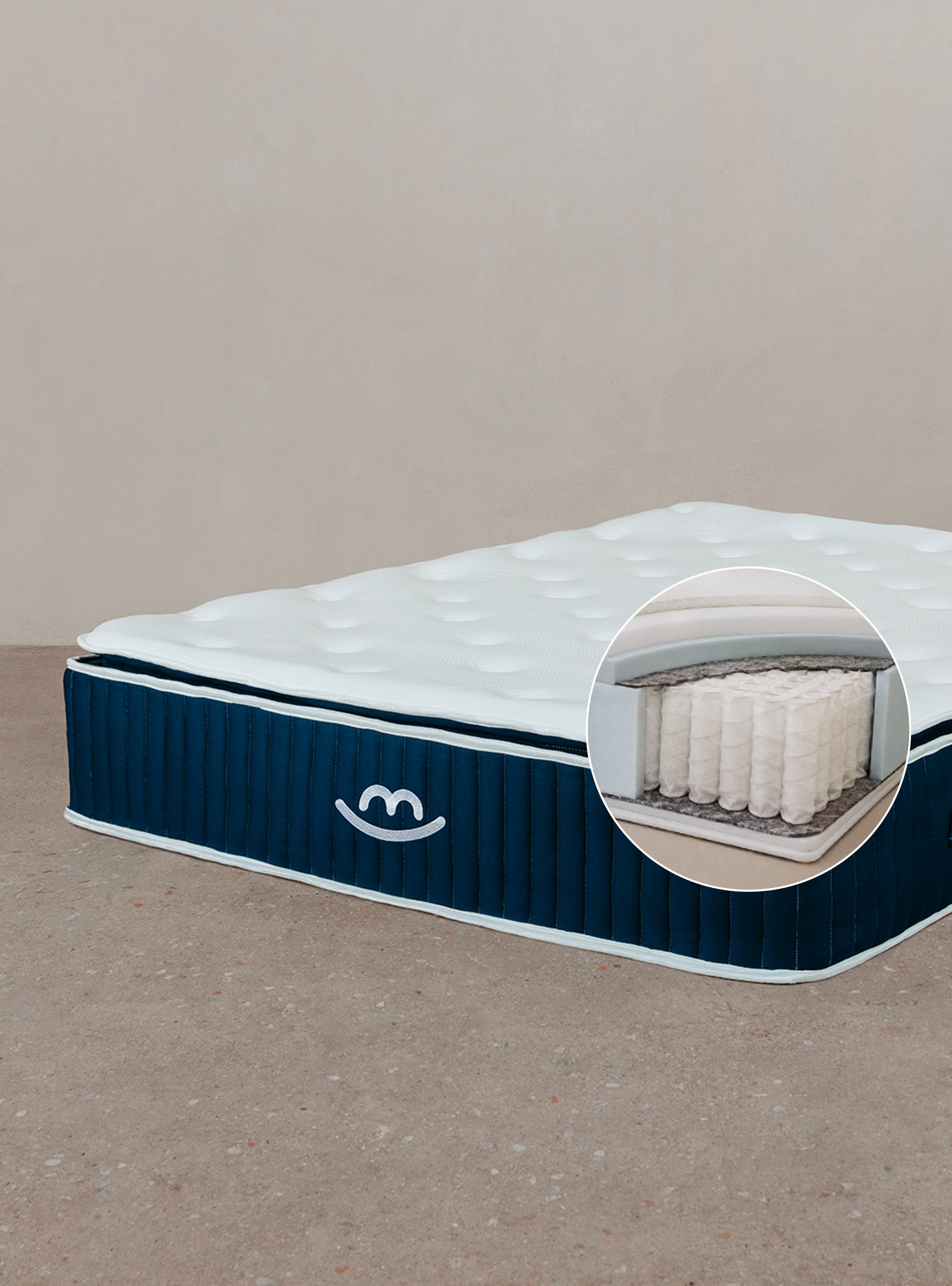
Premium comfort with built-in pillow top
30 cm thick with reinforced fairing
Welcoming and comfortable
Enhanced luxury hybrid: ideal for couples
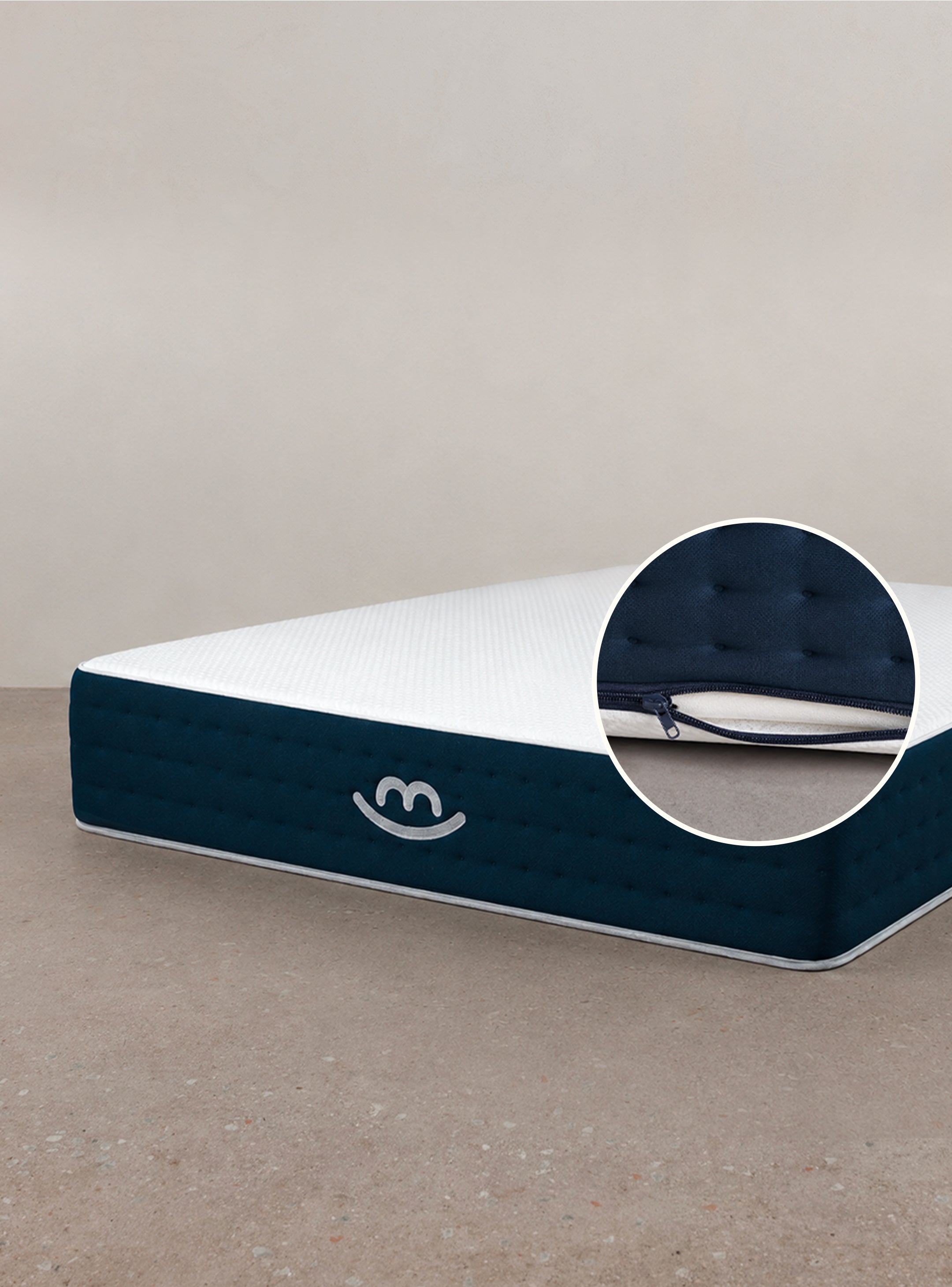
Firm and supportive
10.2 inches thick
Firm and toned
Ideal for ergonomic support in daily life

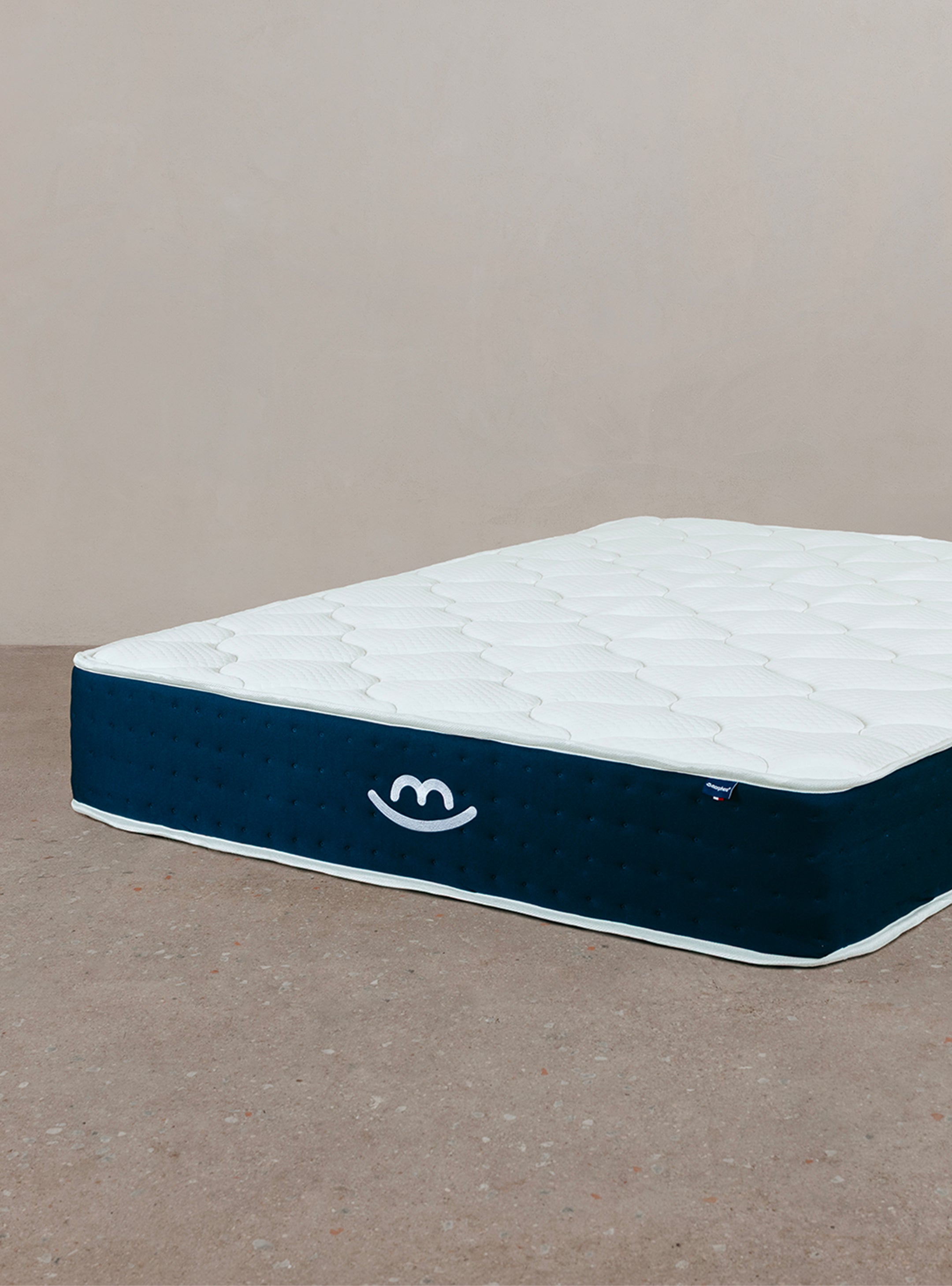
Balanced and economical
22 cm thick
Semi-firm
Ideal first purchase / controlled budget

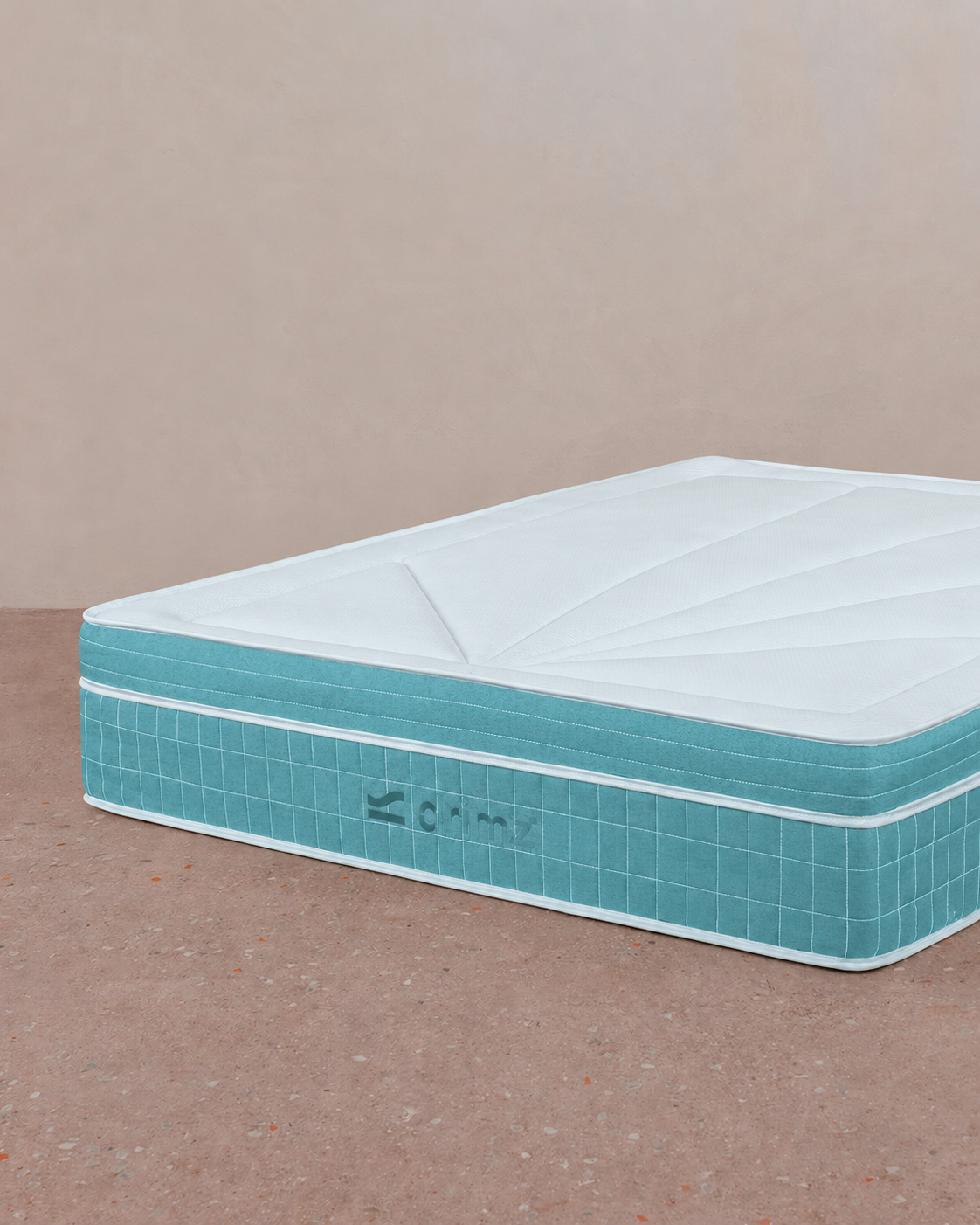
Warm welcome and steady support
30 cm thick - 8-layer hotel technology
Firm
Ideal for discerning sleepers
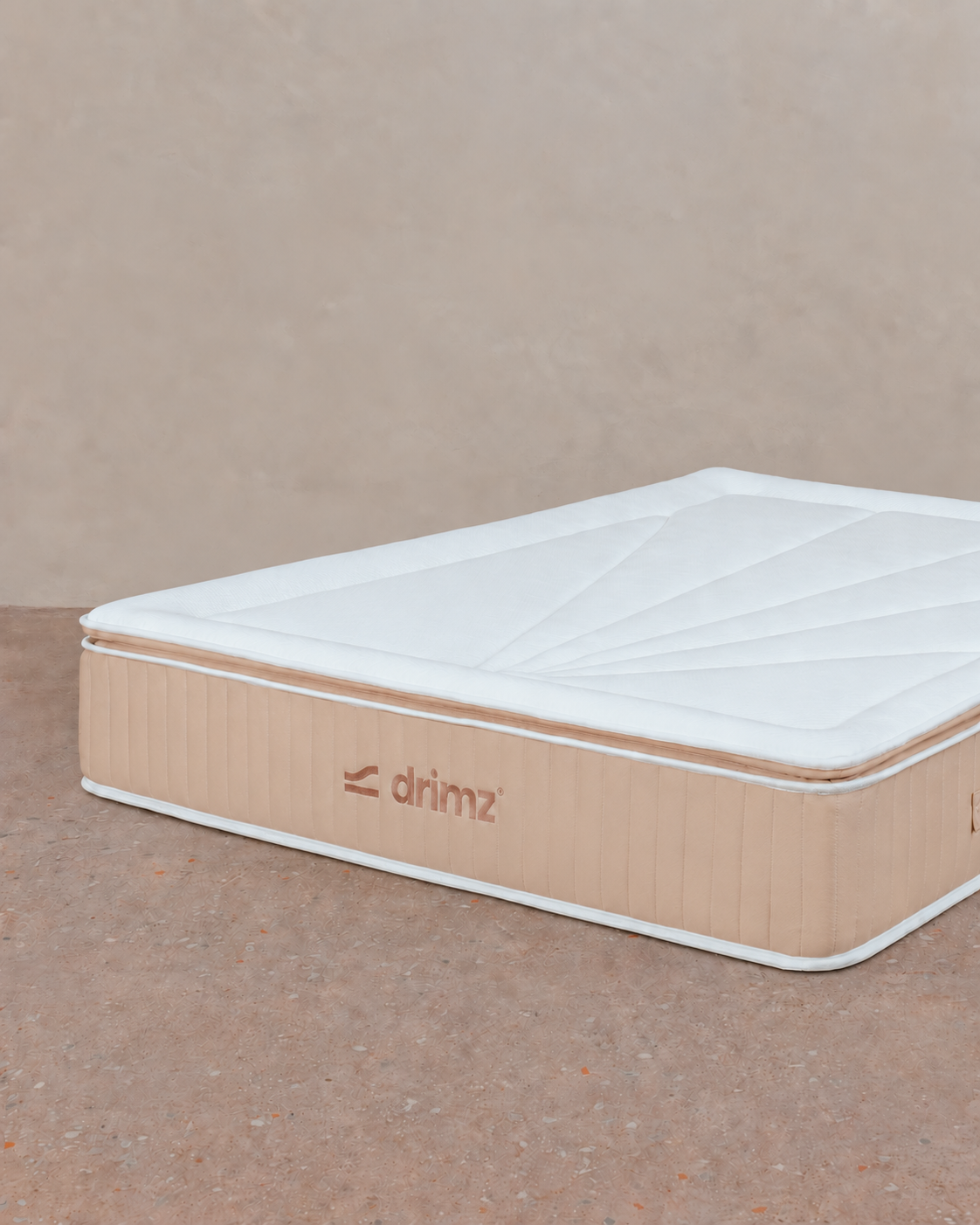
Semi-firm welcome, high-end technology
10.6 inches thick
Semi-firm
Ideal for a perfect balance of comfort and support
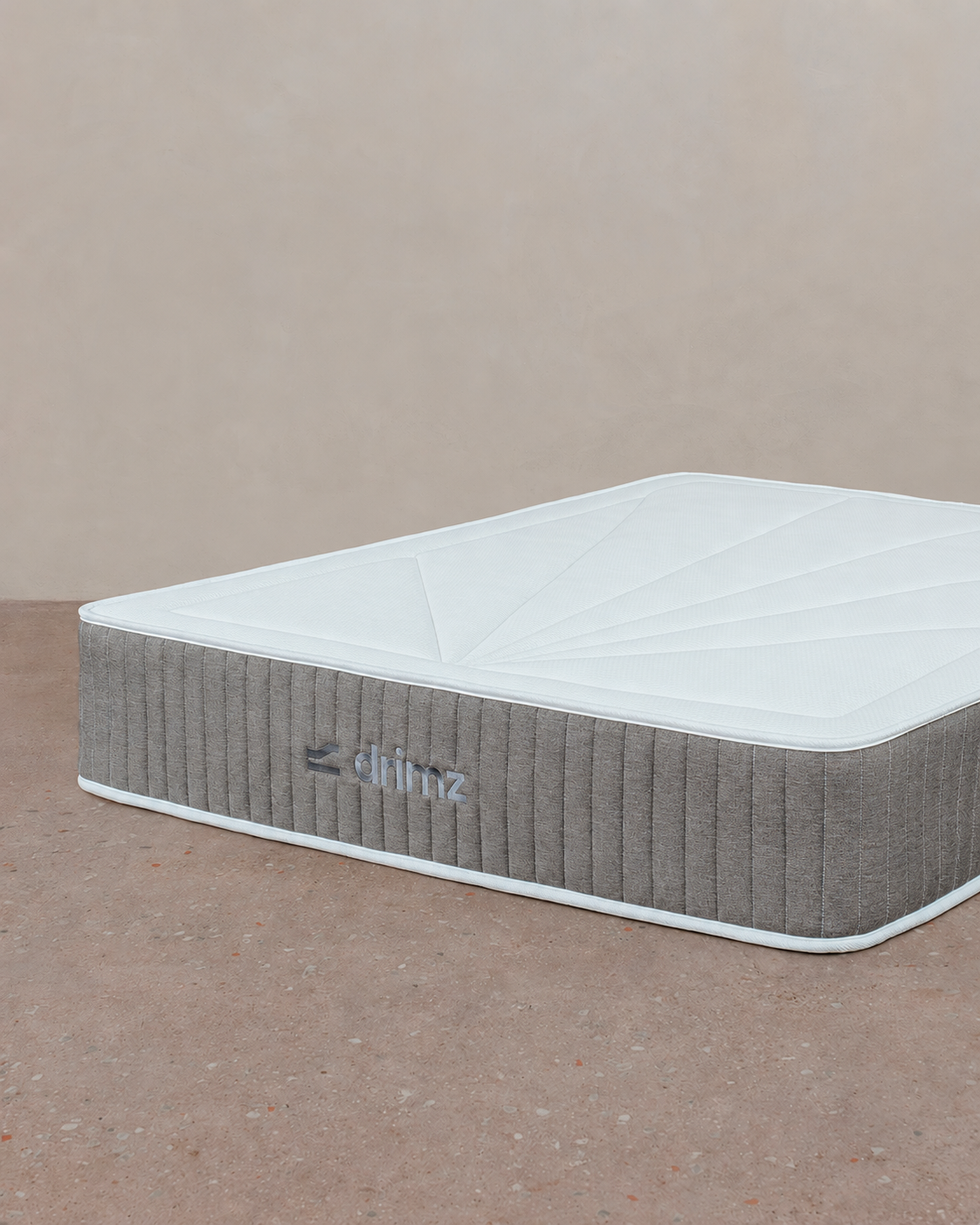
Welcome and firm support
24 cm thick
Farm
Ideal for discovering 5-star comfort
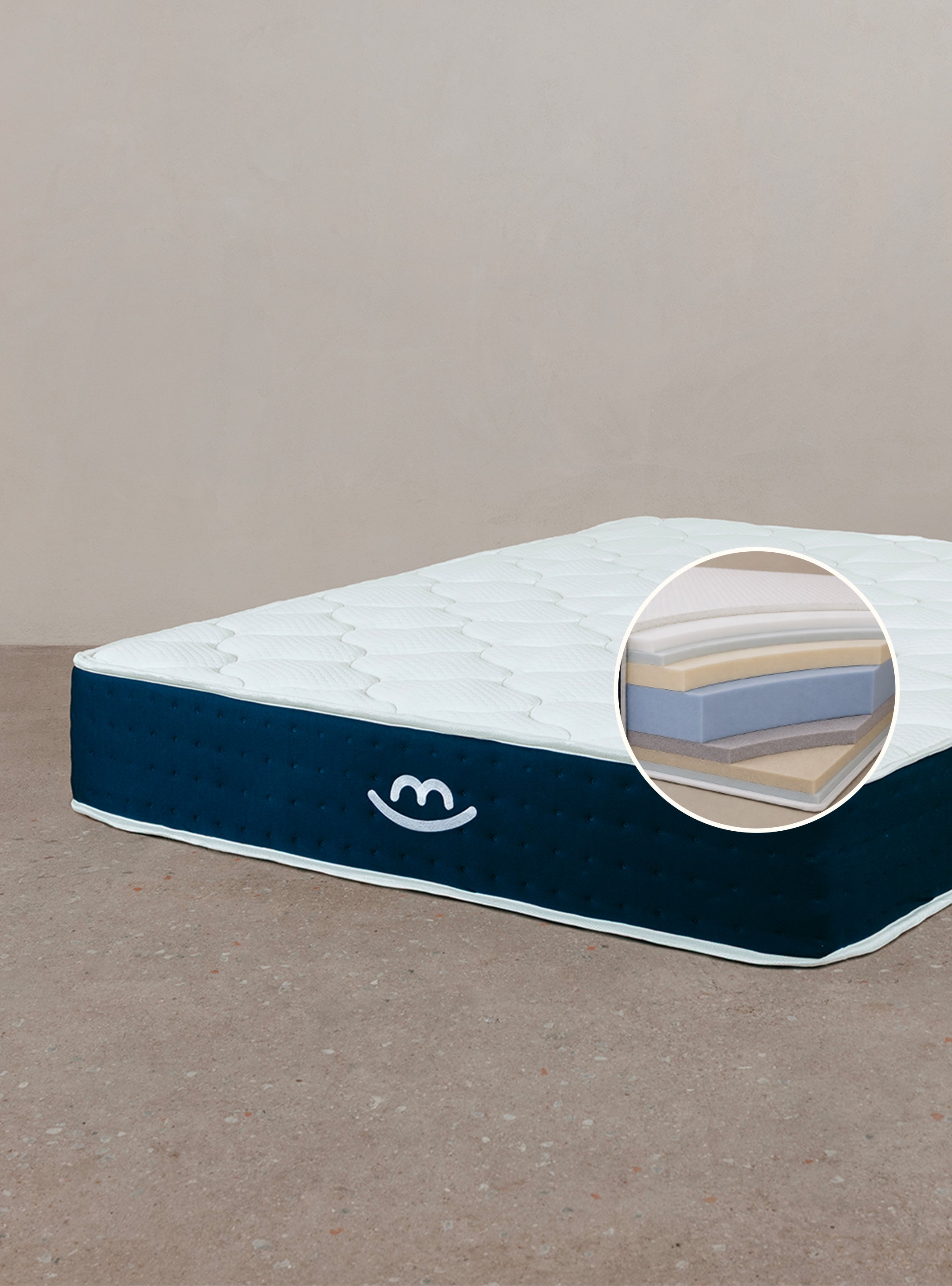
Balanced and economical
22 cm thick
Semi-firm
Ideal first purchase / controlled budget
Our clients are talking about us...
Let customers speak for us
Chez Morphea, la mousse n’est pas une catégorie de matelas à part. Elle est le cœur du confort de toute la gamme. Un seul modèle est intégralement en mousse, le Mila+, mais tous les autres en contiennent, posée en couches de confort sur des ressorts ensachés. C’est ce qu’on appelle un matelas hybride, et c’est là que se joue notre savoir-faire.
Cette maîtrise des mousses fait notre différence, y compris sur les hybrides. La haute résilience tient le soutien dans la durée, l’Air Memory épouse le corps et l’ErgoFeel accompagne les mouvements, et ces couches reposent sur une base de ressorts ensachés qui ventile et maintient le bassin. C’est cette combinaison, détaillée plus bas, qui donne un accueil enveloppant et un excellent soutien, ce qu’aucune des deux technologies ne réussit seule. Chercher un matelas en mousse, c’est donc surtout choisir quelles mousses on veut sous soi, et sur quelle base elles reposent.
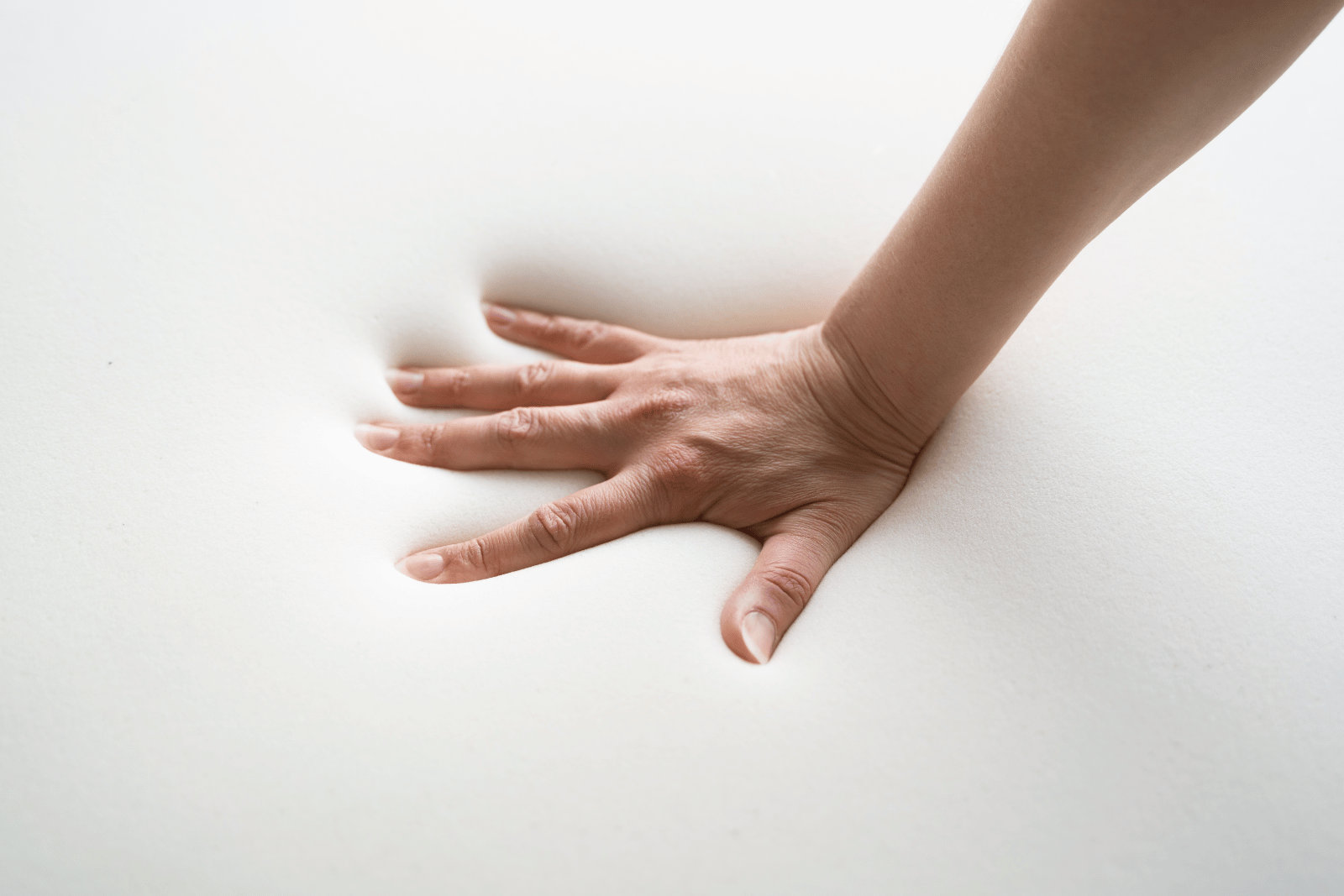
What is a foam mattress?
Foam mattresses are a technology that is suited to the morphology of many sleepers, especially when you opt for high-quality foam in terms of density and thickness. This material, popular in bedding, offers a softness that ensures sleeping comfort, guaranteeing soft and restful nights. High-density and memory foam mattresses (which are the only foam qualities offered by Morphéa) have the advantage of providing exceptional support. Enveloping, with support that perfectly distributes pressure points, they are recommended for people with muscle pain, joint pain, or back pain. Perfect for any type of sleep: on your back, side, or stomach.
They are also recommended for small sizes (less than 70 kg).
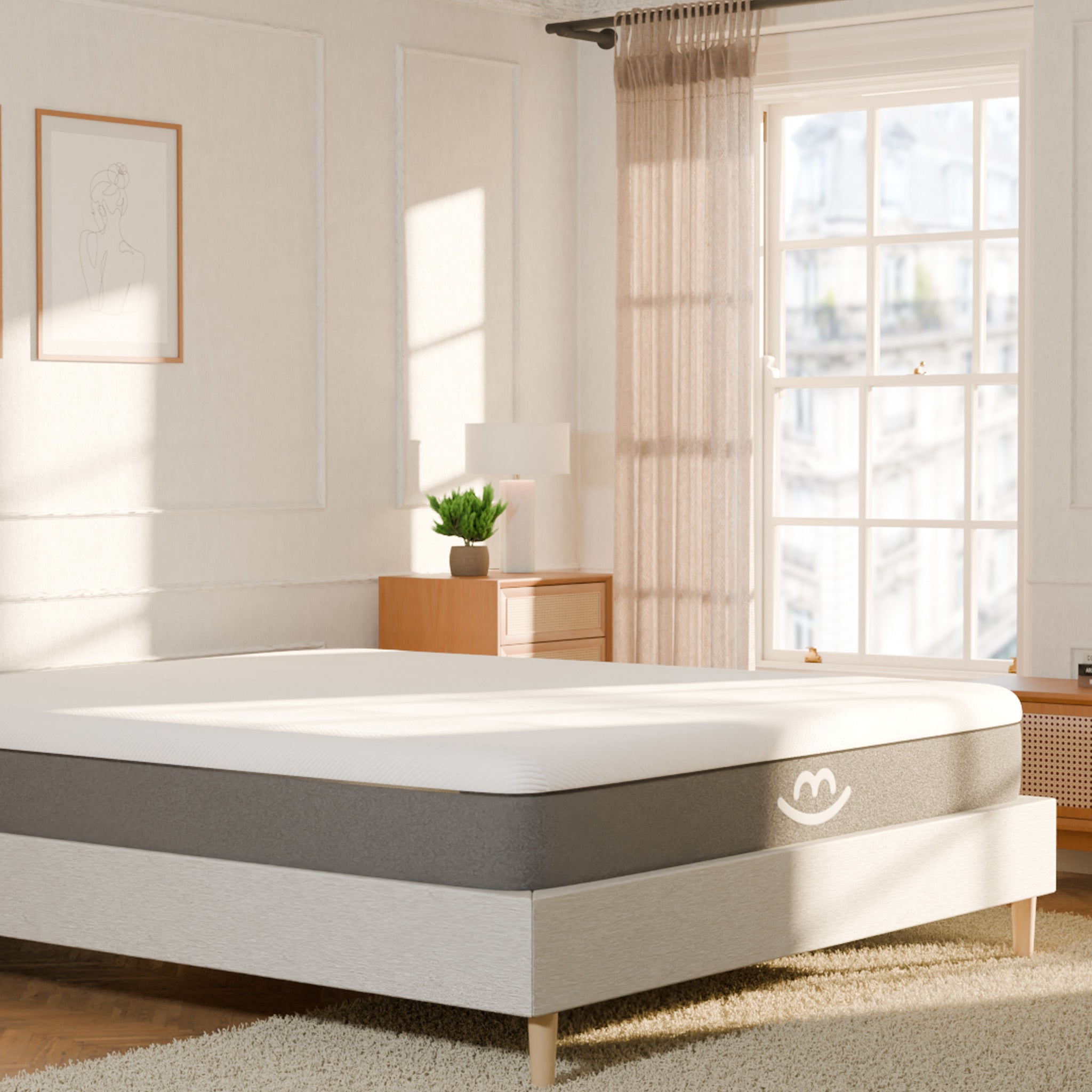
The different types of foams
We have selected the best foams to offer each sleeper a tailor-made comfort, capable of adapting to morphology, body heat and natural sleep movements.
- High-resilience foam (HR 35 kg/m³): this is the foundation of our mattresses. Its high density guarantees firm and lasting support while keeping the spine properly aligned. Thanks to its open-cell structure, it also promotes excellent air circulation and resistance to sagging over time.
-
Air Memory® memory foam: a true MORPHEA signature, this foam, also known as “viscoelastic,” naturally conforms to the body's curves and relieves pressure points. It provides enveloping comfort while maintaining good breathability, for restful and restorative nights.
- ErgoFeel® foam: more responsive, it adapts to every movement without creating tension. It enhances the progressive support of the mattress and ensures balanced comfort.
Each layer has its role: welcoming, supporting, balancing and durability, for comfort that remains as pleasant over the years as on the first day.
Why choose a foam mattress?
A good mattress is not just about comfort, it's about well-being.
MORPHEA foam mattresses are designed to conform to the shape of the body without creating pressure points, keep the spine properly aligned and offer a true feeling of weightlessness with every sleep.
And it's no coincidence that foam mattresses have become the favorites of many sleepers.
Their secrets? Unparalleled flexibility, balanced support and great adaptability to all sleeping positions.
What are the advantages of foam mattresses?
Consistent and sustainable support
Our high-density foams naturally distribute body pressure for stable support, without sagging areas or loss of firmness over time.
Universal comfort
Whether you sleep on your back, side or stomach, the foam adapts to everyone's body shape.
Excellent sleeping independence
You move? Your partner won't feel a thing. The foam absorbs movement for a peaceful sleep for two.
A regulated temperature
Breathable foams They allow air to circulate, avoiding the feeling of heat often associated with classic memory foam models.
Healthy and certified materials
All our mattresses are OEKO-TEX® Standard 100 and CertiPUR® certified, guaranteeing the absence of harmful substances and a healthy, durable and healthy sleeping environment.
An affordable and guaranteed offer
All Morphea mattresses are manufactured in Europe, in compliance with the most demanding standards. They benefit from a 10-year warranty, a 100-night trial, and free, fast delivery.
How do I choose my foam mattress?
Choosing the right foam mattress involves answering various questions related to your body type, any back problems you may have, and the quality of the foam. Below are some tips to consider when choosing your foam mattress.
1. A minimum density of 25 kg/m³ is recommended!
To guarantee lasting comfort, it is essential that the mattress foam has a density greater than 25 kg/m³. Depending on your personal preferences and body type, your comfort level may vary with a foam of varying density. Generally, the higher the density of your mattress foam, the more comfortable you will feel. Conversely, a foam mattress with a density lower than 25 kg/m³ will only be a very temporary sleep companion, as the foam is likely to sag quickly. That's why at MORPHEA , we have chosen to offer you quality mattresses that meet these needs.
2. Memory foam as your best ally
Memory foam, also known as viscoelastic foam, is a truly remarkable technology. This recent innovation is composed of microcells that closely conform to the curves of your body. Thanks to its high density, it helps reduce pressure points and promote optimal blood circulation. Particularly appreciated by sleepers seeking a cozy, cocooning experience, a memory foam mattress offers exceptional, enveloping comfort. Temperature-sensitive, this foam gradually softens to adapt to your body shape, automatically returning to its original form with each change of position. Furthermore, if you share the bed with another person, their movements will no longer disturb you. Memory foam ensures perfect motion isolation.
3. Opt for as many support areas as possible
Foam mattresses typically have multiple support zones. This means that the support is differentiated according to different parts of the body. If you suffer from pain while sleeping, this type of mattress is particularly beneficial. The zones provide targeted support for different parts of the body.
Here's what you can find on the market:
- 3 support zones
- 5 support zones
- 7 support zones
The more support zones there are, the more precise and optimal the support will be.
At MORPHEA all our foam mattresses benefit from 7 support zones (head, shoulders, lumbar, pelvis, thighs, calves and feet) in order to provide you with maximum comfort, even on our economical foam mattresses .
4. A good mattress thickness
The thickness directly influences the initial feel and the durability of your mattress. The thicker the mattress, the more technical layers it contains, delivering premium comfort.
- Between 22 and 25 cm : ideal for everyday use, with very well-balanced comfort and good support.
- Between 26 and 30 cm : “hotel-style” comfort thanks to several layers of foam, the mattress remains stable and soft at the same time.
- Above 30 cm : the thickness of a high-end mattress with precise support, enveloping comfort and exceptional durability.
4. Choose the right size foam mattress
If you sleep alone: a 90×190 cm mattress is sufficient for a compact bed, but a 120×190 cm or 140×190 cm offers more freedom of movement and better everyday comfort.
If you sleep as a couple: opt for a 160×200 cm (Queen Size) or 180×200 cm (King Size) bed. These sizes improve sleeping independence, reduce nighttime awakenings, and minimize the feeling of discomfort associated with a lack of space.
5. Adapt your mattress to your bed base
To fully enjoy the benefits of your foam mattress, be sure to pair it with a compatible bed base :
- The slatted bed base promotes breathability and stable support, ideal for high-resilience foams.
- The upholstered bed base provides a slight softness while ensuring the stability of the bed.
- The Morphea storage bed combines storage, support, and optimal comfort.
A good mattress and bed base combination significantly improves the quality of your sleep and extends the lifespan of your bedding.

Combien coûte un matelas en mousse ?
C’est la première question qu’on se pose, et elle mérite une réponse chiffrée. Un matelas en mousse d’entrée de gamme se trouve sous 300 €, mais à ce niveau les mousses tournent autour de 20 kg/m³ et se creusent en deux à trois ans. Au-delà de 400 €, on passe à des densités qui tiennent la décennie, avec de vraies zones de soutien.
Chez Morphea, il faut distinguer les deux familles. Le seul matelas intégralement en mousse, le Mila+, démarre à 459,99 € et revient à 739,99 € en 140x190. Les hybrides de cette collection, qui posent des couches de mousse sur des ressorts ensachés, s’échelonnent de 389,99 à 899,99 €, ces prix correspondant à la plus petite taille, et de 629,99 à 1 359,99 € en 140x190. Rapporté à dix ans d’usage, un matelas à 800 € revient à moins de 7 € par mois pour un objet utilisé huit heures par nuit.
Ce qui les fait varier, c’est d’abord la hauteur des ressorts sur les hybrides et la densité de la couche de confort, pas l’épaisseur totale affichée. Un matelas épais garni de mousses légères vieillit plus mal qu’un modèle plus fin mais dense.
Entretenir un matelas en mousse et savoir quand le changer
La mousse est plus sensible à l’humidité que les ressorts, parce qu’elle la retient au lieu de la laisser circuler. Aérez la chambre chaque matin et laissez le matelas à découvert une demi-heure avant de refaire le lit. Un protège-matelas lavable reste le geste le plus rentable de toute la literie.
Pour les taches, tamponnez à froid sans détremper, l’eau chaude fixe les protéines et le savon met des jours à sécher au cœur de la mousse. Inversez le matelas de la tête aux pieds tous les six mois pour répartir l’usure. Pour une tache sèche, la terre de Sommières absorbe sans mouiller la mousse. Le bicarbonate de soude fait partir les odeurs, et un mélange d’eau tiède, de vinaigre blanc et d’une goutte de liquide vaisselle vient à bout des taches tenaces.
Nos modèles ne se retournent pas, leur face de couchage est unique. Vérifiez également le sommier, un écartement de lattes supérieur à 7 cm laisse la mousse travailler par endroits et crée les creux qu’on reproche ensuite au matelas.
Un matelas en mousse de qualité tient sept à dix ans. Le signe qui ne trompe pas est le creux : posez une règle en travers du couchage, au-delà de 2 cm d’affaissement le soutien a cédé et aucun entretien ne le rattrapera. Un creusement prématuré vient presque toujours d’une densité trop faible ou d’un sommier inadapté. Nos matelas sont garantis dix ans, ce qui couvre cette durée d’usage. Et vous disposez de 100 nuits d’essai pour vous assurer qu’il vous convient.
FAQ - Foam mattress
Is it recommended to sleep on a foam mattress?
Yes, especially when it comes to high-resilience or memory foam. These foams offer excellent back support, good pressure point distribution, and adapt to all sleeping positions. Morphea models combine comfort, support, and breathability for a restful and restorative sleep.
What type of foam mattress is best?
The best foam mattress depends first and foremost on your preferences and body type. Memory foams are known for their enveloping comfort and their ability to relieve pressure points. At MORPHEA, we combine them with other materials for even more complete comfort. For example, the VICTORIA mattress combines memory foam and pocket springs for precise support and excellent motion isolation. It was even voted Product of the Year 2025, proof of its universal comfort and recognized quality.
Does a foam mattress solve the problem of back pain?
Although there are several foam mattress models available, not all of them are necessarily suitable for back pain. In fact, foam mattresses can only be beneficial for the back if they meet certain comfort criteria.
For example, memory foam mattresses are particularly recommended for relieving back pain. This technology has the ability to adapt to the shape of your body, thus evenly distributing pressure points. Sensitive areas such as the shoulders and pelvis benefit from optimal support. Memory foam offers personalized comfort adapted to your anatomy.
In conclusion, our foam mattresses address back pain problems because they all have memory foam.
What are the disadvantages of sleeping on a foam mattress?
A low-density foam mattress may sag over time or retain heat.
To avoid this, choose high resilience foam (≥ 35 kg/m³) and good ventilation.
The Air Memory® and ErgoFeel® foams used by Morphea are designed to remain stable, breathable and durable, without these drawbacks.
Why is my foam mattress sagging?
Premature sagging often results from insufficient density or an unsuitable bed base. Morphea high-resilience foams retain their shape for up to 10 years. To extend their lifespan, remember to rotate the mattress regularly and pair it with a slatted or upholstered bed base in good condition.
How long will my foam mattress last?
The lifespan of a mattress depends largely on the quality of the materials used. For foam mattresses, especially memory foam mattresses, lifespan is generally calculated based on the number of hours of sleep. A mattress is considered durable when it has been used for approximately 29,600 hours, which is equivalent to 10 years of daily use.
On average, quality memory foam mattresses can last between 8 and 10 years. Mattresses with a higher density are generally more durable. That's why all our foam mattresses have a high-density foam of 35kg/m3 to improve their durability.
In addition, at MORPHEA, we offer you a guarantee of up to 10 years and a 100-day trial of our mattresses , to ensure optimal quality of our mattresses.
Discover also
100 night trial
Try your new mattress for 100 days to form your own opinion.
Free delivery
Enjoy free delivery and get your product delivered within 3 to 7 days.
Payment in up to 24 installments
Feel free to pay in installments with our partners Alma and Younited Pay.
Responsive customer service
Our French customer service will provide you with the best support.
Our advice
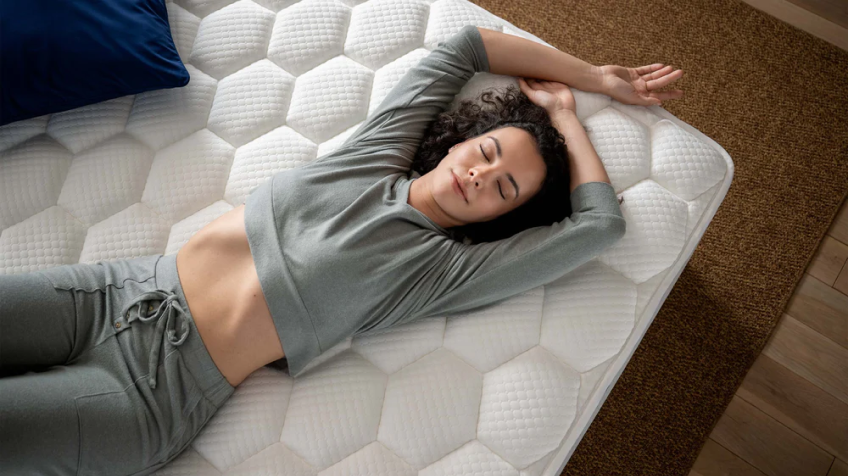
How to choose your mattress?
You want to change your mattress and sleep better , right? The problem is, there are so many mattresses on the market, and they all claim to be the "best"... But the best is actually...
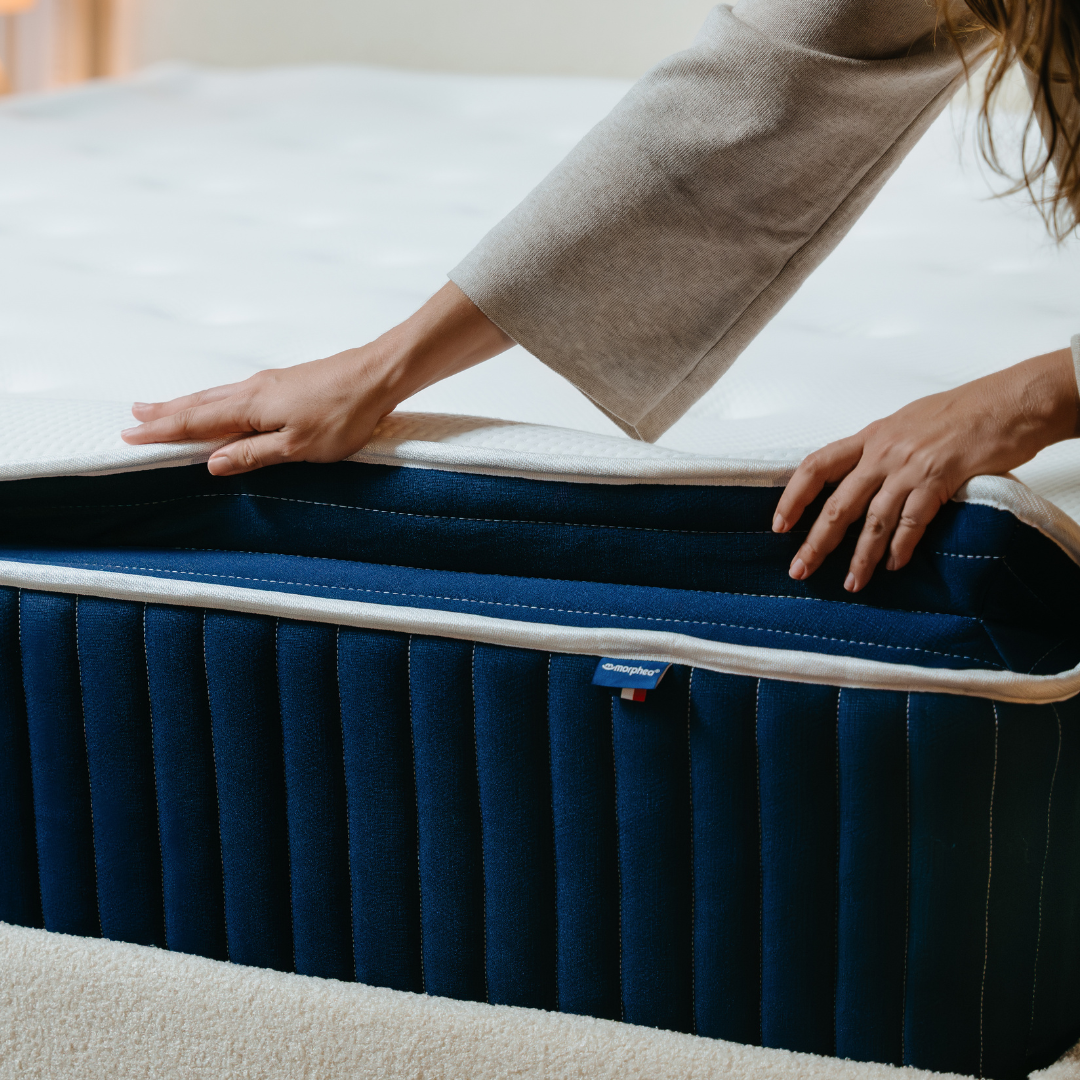
Best mattresses for back pain
Are you suffering from insomnia, stress, or fatigue that weighs you down? 😫 Do you have frequent or chronic back pain that ruins your life? Did you know that the quality of your mattress...
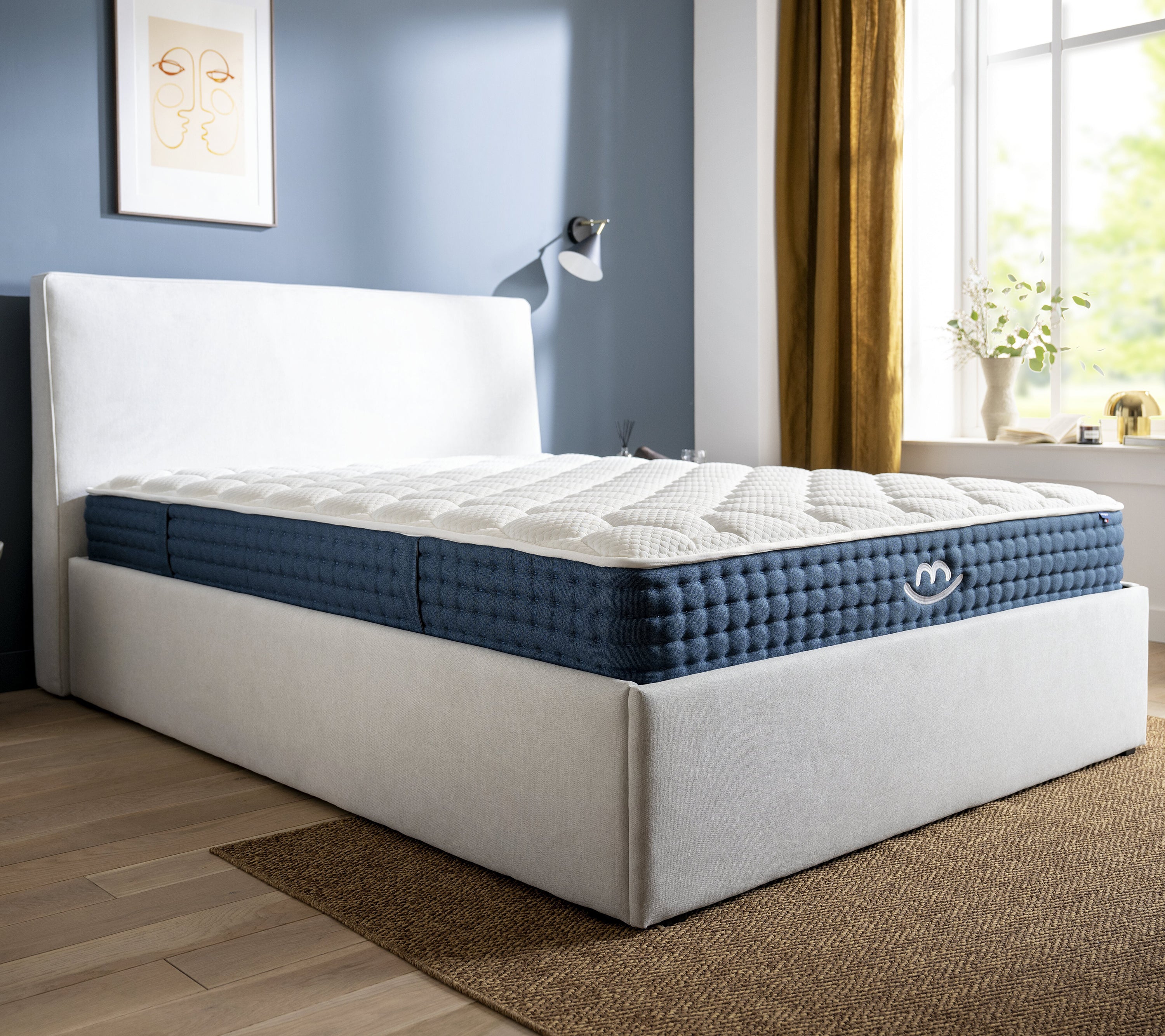
Compare mattresses
Compare Morphea mattresses and find the one that best suits your comfort, body shape and needs for ideal sleep.
What size mattress should you choose for optimal comfort?
Personal size: Choose a mattress that is at least 15-20 cm longer than your height. Living situation: Adjust the width depending on whether you sleep alone, as a couple, or...
