

Shopping for a new mattress can be exciting, but also a little confusing. With so many options, sizes, and materials available, it's easy to get lost. Whether you're replacing an old mattress or want a model that better suits your needs, this guide will help you choose with confidence.

Step 1: Understand your sleep needs
Before you begin your search, take a moment to assess your preferences:
- Sleeping position: Do you sleep on your back, side, stomach, or do you change positions often?
- Desired firmness: soft, medium-firm or firm?
- Specific pain? (e.g., back pain, hip discomfort)
- Do you tend to get hot at night? A good mattress should regulate temperature well.
- Do you sleep with someone else? Look for good motion isolation.
Your answers will refine your choices and guide you towards the right type of mattress.
Step 2: Know the types of mattresses
There are several main types of mattresses, each with its own advantages:
- Memory foam: conforms to the shape of the body, excellent for relieving pressure points.
- Latex: natural, breathable and more responsive than foam.
- Hybrid: combines springs and foam for a good balance between support and ventilation.
- Pocket springs: more classic, with a natural rebound but less enveloping.
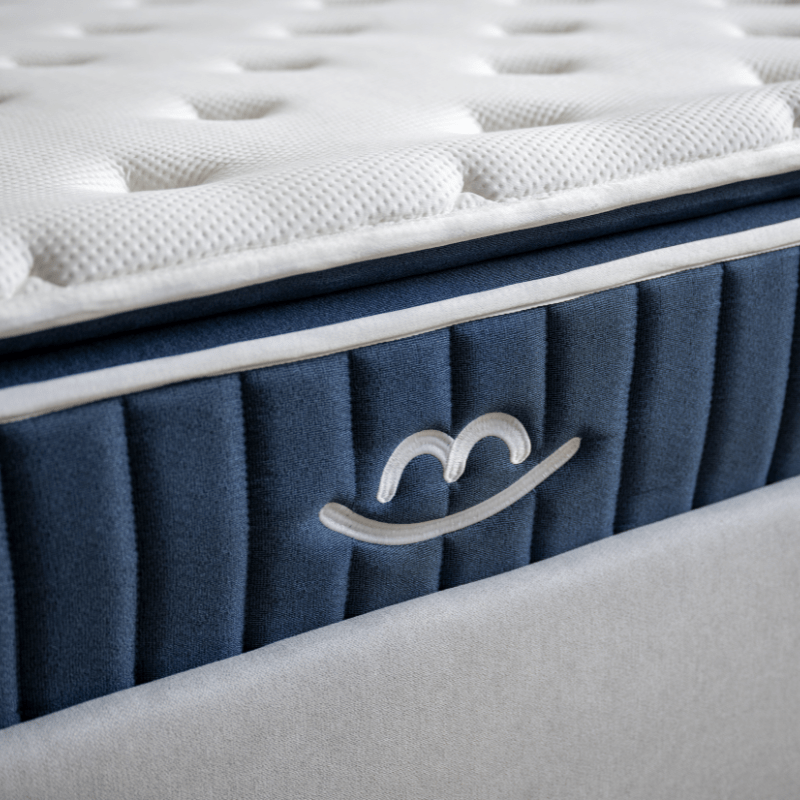
For example, Morphea's Victoria hybrid mattress combines springs and foam for ergonomic support and excellent air circulation—ideal for people with back pain or who feel hot at night.
Step 3: Choose the right size
Mattress sizes vary, but the most common are:
- Single – for children or extra beds.
- Double / Full – for a single adult needing a little more space.
- Queen – the most popular format for couples.
- King – the ultimate in comfort, perfect for couples or co-sleeping families.
Tip: Measure your room and consider the furniture before making your choice.
Step 4: Set a budget (and think long term)
Of course, your budget matters. But remember: a good mattress can last 8 to 10 years . Investing a little more now is an investment in better sleep—and in your health.
Step 5: Compare online vs. in-store shopping
- In store: possibility to try on on site, but choice is often limited and salespeople are insistent.
- Online: wider range, competitive prices, home delivery.
Morphea offers a 100-night trial period and a 10-year warranty on all its mattresses—so you can shop online with complete peace of mind.
Step 6: Read reviews and check certifications
Don't rely solely on product descriptions. Check verified customer reviews and look for certifications such as:
- OEKO-TEX® Standard 100 – guarantees the absence of harmful substances in fabrics.
- CertiPUR-US® – certifies that foams are non-toxic and low in VOCs.
At Morphea, all mattresses are certified, for healthy and safe sleep.
Step 7: Check the return and trial conditions
A good mattress manufacturer offers:
- A trial period of 30 to 100 nights,
- Free returns,
- And a solid guarantee.
This allows you to really test the mattress at home, without pressure.
Step 8: Buy from a trusted brand
When you're ready to buy, choose a brand that aligns with your values: comfort, durability, innovation, health...
Morphea is a French brand renowned for the quality of its materials, its ergonomic design, and its commitment to the environment. Natural latex, memory foam, hybrid models... there's a Morphea for every type of sleeper.
Conclusion
Buying a mattress doesn't have to be stressful. By following these steps—from assessing your needs to analyzing warranties—you'll find the perfect mattress for you.
A good mattress is not just a purchase, it is a real pillar for your daily well-being.
Ready to buy a mattress?
Discover Morphea 's award-winning collection and sleep better tonight.

How to Clean a Yellowed Mattress: Effective and Natural Methods
Ready to Buy a Mattress? Find the Perfect Fit for You