

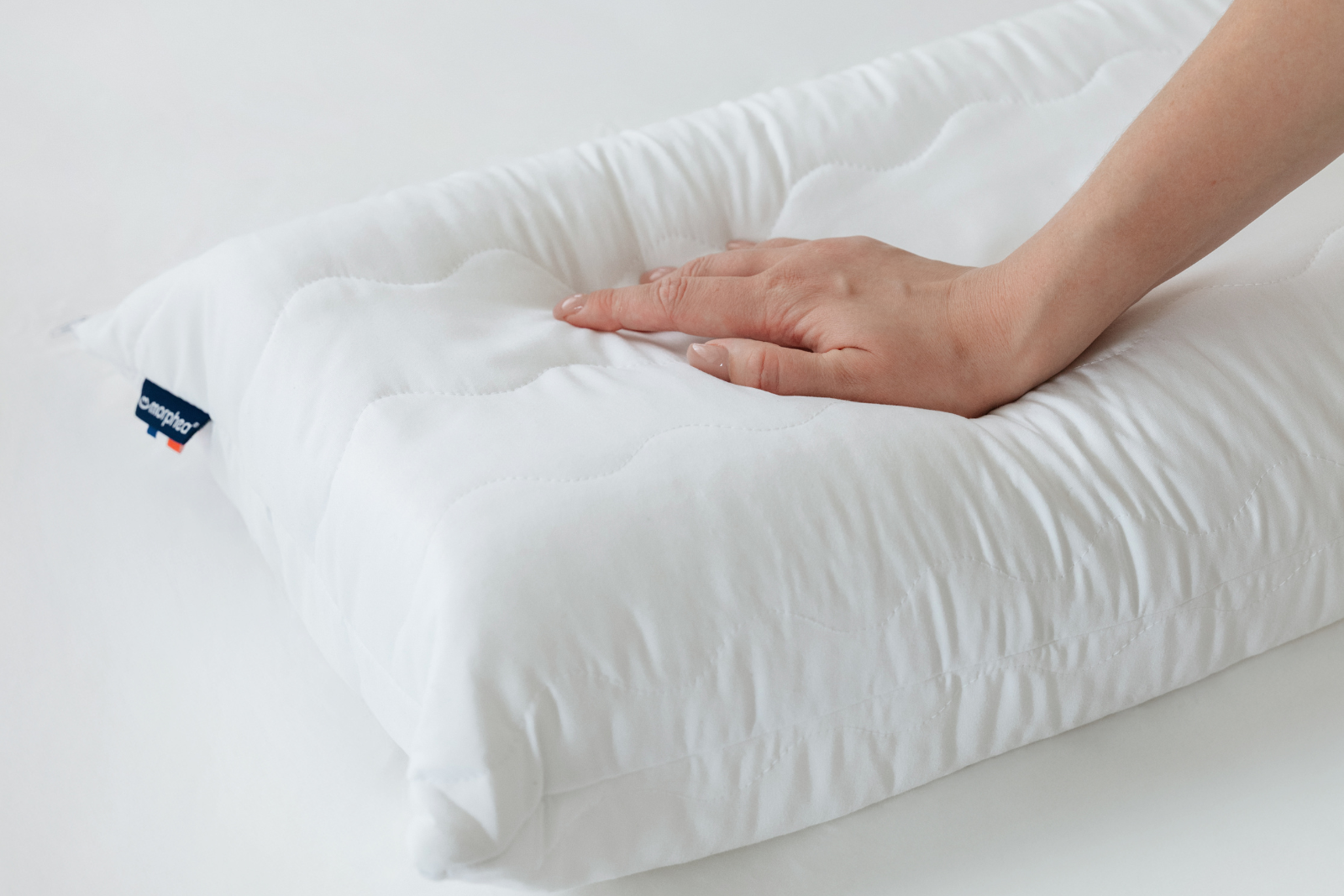
The right pillow plays a crucial role in the quality of your sleep. Too firm can cause neck tension; too soft may not provide enough support. Many people choose their pillow without considering their sleeping position, which can affect spinal alignment, comfort, and quality of rest. A well-chosen pillow balances softness and support while meeting your individual needs. This guide explains how to select a pillow that suits your sleeping habits, so you can wake up feeling relaxed and tension-free.
Understanding the importance of the pillow
A pillow isn't just for comfort. Its main function is to keep the head, neck, and spine in proper alignment. Proper alignment reduces stiffness, prevents pain, and allows the body to rest naturally.
At Morphea , each pillow is designed to provide consistent support and lasting comfort . Materials are selected to combine durability with a level of softness that's tailored to the body. Choosing the right pillow also allows your mattress and bedding to work together to optimize sleep.

Pillows for back sleepers
Sleeping on your back requires balanced support. The pillow should keep your neck straight and prevent your head from tilting forward or backward.
- Medium Thickness: Supports the natural curve of the neck without excessively lifting the head.
- Memory Foam : Contours to the contours of the neck and head for targeted support.
- Breathable Materials: Promote air circulation to reduce heat and ensure comfort throughout the night.
A pillow that's suitable for back sleepers promotes proper spinal alignment and can reduce morning stiffness and discomfort.
Pillows for side sleepers
Sleeping on your side is common but puts pressure on your shoulders and neck. The pillow should fill the space between your head and the mattress to maintain alignment.
- Firmer, thicker pillow: Keeps the neck aligned with the spine and prevents the head from sinking too low.
- Ergonomic shapes: Provide additional support to the neck and shoulders.
- Natural or latex filling: Combines softness and support while retaining its shape over time.
Side sleepers benefit from pillows that reduce neck strain and distribute weight evenly.
Pillows for stomach sleepers
Sleeping on your stomach is the most stressful position for your neck. A pillow that's too thick can cause neck twisting and tension.
- Thin and soft pillow: Reduces pressure on the cervical spine while providing minimal support.
- Breathable materials: Prevent overheating and maintain comfort.
- Pillowless Option: Some stomach sleepers may feel more comfortable without a pillow to maintain natural alignment.
The goal is to reduce tension while keeping the body comfortable, allowing muscles to fully relax during sleep.
Personalize your pillow choice
Beyond sleeping position, other criteria can guide your choice of pillow:
- Allergies: Hypoallergenic pillows prevent reactions and ensure hygiene.
- Comfort preference: Choose firmness or softness according to your habits.
- Durability: Quality materials retain their shape and support over time.
- Lifestyle Habits: Adjustable or removable pillows allow for customization according to needs.
Morphea pillows are designed to meet these needs, combining French craftsmanship, practical comfort and lasting support.
Conclusion
A pillow is an essential part of your bedding. Choosing a pillow that suits your sleeping position and personal preferences improves alignment, reduces tension, and promotes restful sleep.
At Morphea , our pillows are designed to provide consistent support, durability, and optimal comfort. Combined with your mattress and bedding, they help create a complete sleep environment. Explore our collection to find the pillow that meets your needs and improves your nights.

How to maintain your bedding for long-lasting freshness
From Mattress to Duvet: The French Art of Luxury Sleep