

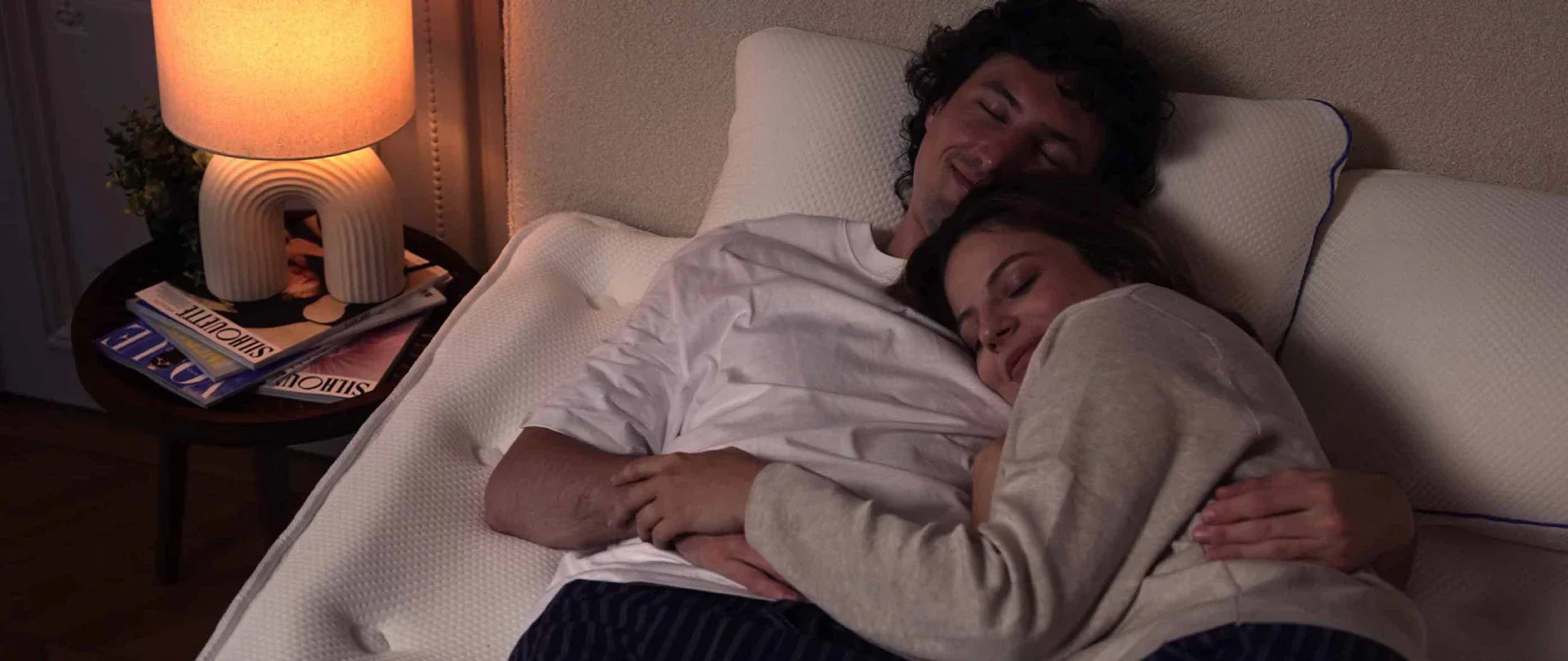
Many people wonder whether they should sleep with their head to the north or the south. Between ancestral beliefs, energetic principles, and scientific studies, the question remains divisive. At Morphea, we help you understand what traditions like Vastu Shastra and Feng Shui say, as well as what modern science thinks, so that your bed position truly promotes peaceful sleep.
The custom of sleeping with your head to the north comes from ancient Eastern philosophies, where the Earth's magnetic field is perceived as an energy flow influencing the human body.
In Europe, this belief spread through the influence of Feng Shui in the 1990s.
💬 In other words, the link between bed orientation and sleep quality is primarily cultural, but it has left its mark.
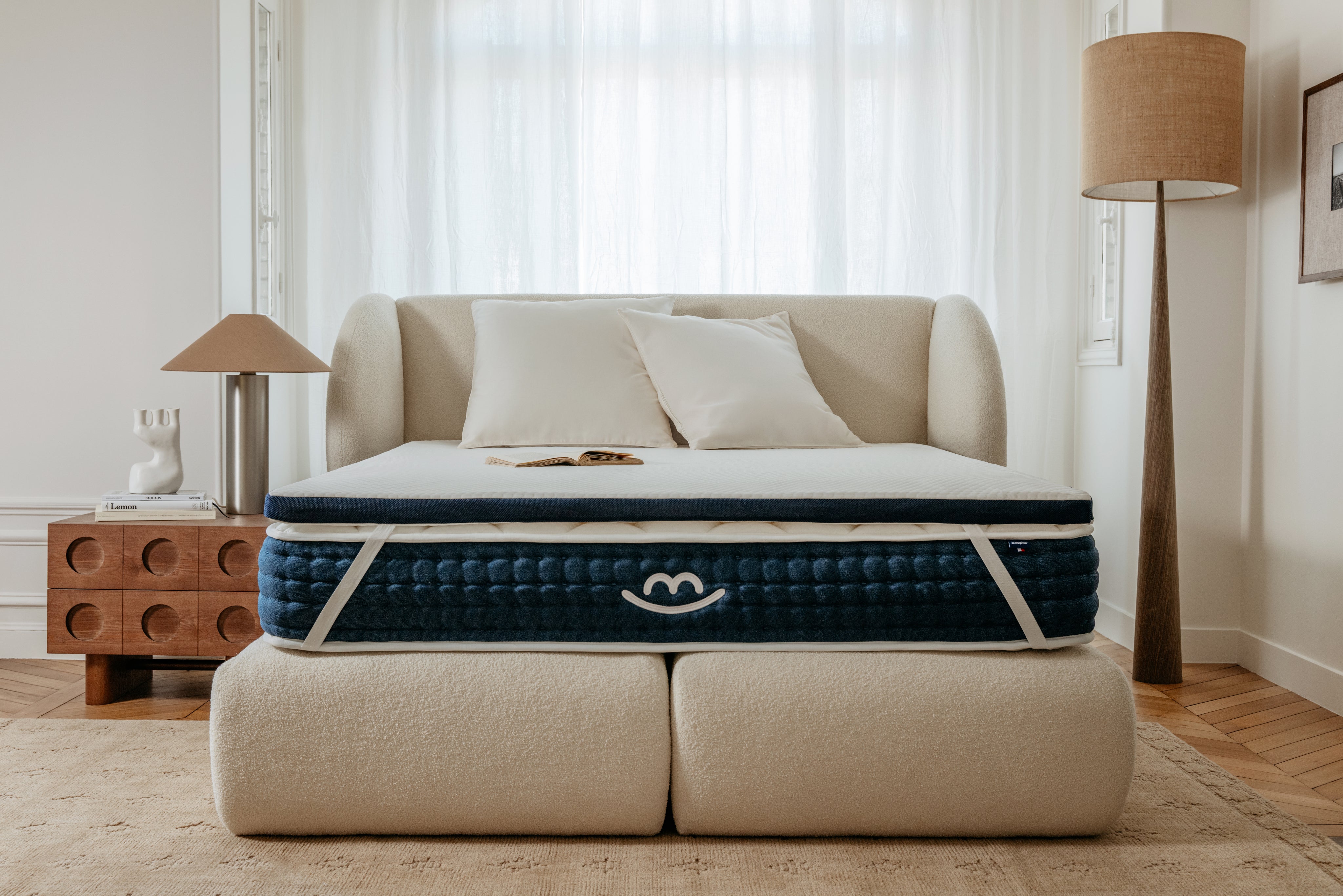
These approaches sometimes use the Kua number , calculated according to the date of birth, to determine the ideal orientation of the head of the bed.
For example, people with Kua numbers 1, 3, 4, and 9 sleep best with their head facing south or east, while those with Kua numbers 2, 6, 7, and 8 prefer the west or north.
No study has proven that bed orientation directly influences sleep quality.
The Earth's magnetic field is very real, but its effect on our bodies during sleep is negligible according to researchers.
The truly determining factors are:
💡 In short, sleeping with your head to the north is neither dangerous nor miraculous — but if it reassures you or aligns with your beliefs, there is no risk in doing so.
Even though science remains neutral, proper bed orientation can improve perceived comfort:
Traditions can inspire, science can reassure, but sleep remains an intimate experience.
Find your balance: orientation, comfort, atmosphere.
At Morphea, we believe that a quality mattress, a stable headboard and a harmonious bedroom matter much more than north or south.
Regardless of the direction, the important thing is to sleep soundly.
According to some traditions such as Vastu Shastra , sleeping with your head facing north should be avoided, as this goes against the Earth's magnetic field.
On the other hand, Feng Shui suggests that this orientation may be suitable for people seeking calm and introspection.
From a scientific point of view, there is no evidence to confirm an effect on sleep quality : the most important thing remains the comfort of your bedding.
Vastu Shastra recommends facing south to promote restful sleep, while Feng Shui often advises facing east for its gentle and balanced energy.
In practice, the best orientation is the one where you feel most relaxed and where your bed position remains practical and stable.
Indian traditions suggest that sleeping with your head to the north could cause restlessness and sleep disturbances. It is also inadvisable to place the bed facing the door or under a window, as this would create a disruptive energy flow according to Feng Shui .
Generally speaking, avoid a bed headboard facing due north or northeast if you follow Vastu Shastra . However, no scientific study has demonstrated that this position actually impairs sleep quality. The most important thing: suitable bedding and a peaceful bedroom.
A head facing south or east is often considered balanced: it promotes relaxation and restful sleep according to several traditions. Above all, be sure to place your bed in a quiet area, away from sources of light and noise.
Feng Shui recommends sleeping with your head facing east or south , depending on your Kua number and personality. These orientations are believed to promote stable energy and better emotional balance. But beyond beliefs, the most important thing is to have an environment conducive to sleep: comfortable bedding, a pleasant temperature, and an organized space.
Rather than searching for the perfect direction, focus on your feelings . A good mattress, a stable headboard, and a calming environment will always have more impact than a compass.
Matelas au sol : bonne ou mauvaise idée ?
Matelas hiver été : tout comprendre sur les faces de votre matelas
Faut-il retourner son matelas et à quelle fréquence ?